Try 1 Week Free
Email: [email protected]
WhatsApp: 074 50 795 944

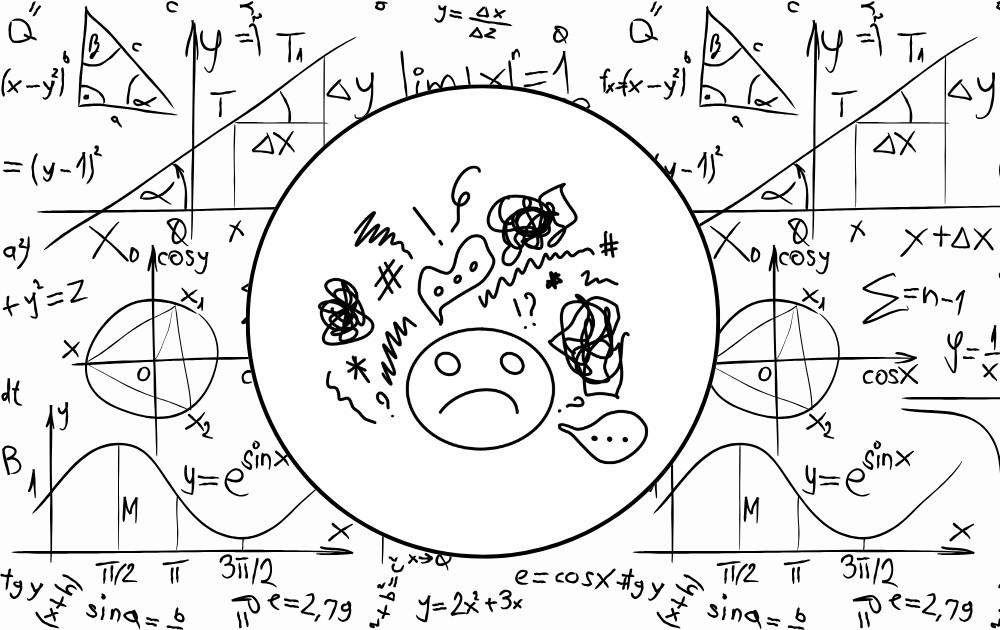
When people think about struggling with Maths, they often assume a child simply isn’t good at the subject. In reality, many children understand far more than they’re able to show because anxiety gets in the way. For some, just hearing the word Maths is enough to make them feel nervous. Others freeze when they’re asked a question in class or panic the moment a timed test begins.
Maths anxiety isn’t a lack of ability. It’s a confidence issue that can affect children of every age and ability.
The encouraging news is that, with the right support, it can be overcome. In this guide, I’ll explain what Maths anxiety is, why it develops and, most importantly, what you can do at home to rebuild your child’s confidence in Maths.
Maths anxiety is exactly what it sounds like: a feeling of worry, fear or stress whenever a child is faced with Maths. In fact, many children who experience Maths anxiety understand far more than they’re able to demonstrate. The challenge isn’t always their mathematical ability, it’s this innate fear of Maths that prevents them from showing what they know.
When we feel anxious, our brains find it harder to think clearly, recall information and solve problems. That’s why a child might seem to “forget everything” in a Maths lesson or test, only to answer the very same questions confidently later at home. Without support, this can become a difficult cycle to break. A child struggles with a topic, their confidence takes a knock, they begin to expect failure the next time they encounter Maths and, as a result, perform below their true ability. Each negative experience reinforces the belief that they’re “just not good at Maths”, making the anxiety even stronger.
Maths anxiety is far more common than many parents realise. Research suggests that around one in five people experience it to some degree, including adults, and studies have found that girls are generally more likely than boys to report feelings of Maths anxiety. However, it can affect children of any age, background or ability.
There isn’t one single cause. Instead, Maths anxiety usually develops through a combination of experiences at school, at home and in everyday life. Even well-meaning comments can shape how children think about the subject. Hearing adults say things like “I was never any good at Maths” or “Our family just isn’t mathematical” can unintentionally reinforce the idea that success in Maths depends on natural talent rather than practice and perseverance.
School can also play a role in shaping a child’s attitude towards Maths. Children quickly pick up on the expectations and attitudes of the adults around them. If Maths is regularly described as a particularly difficult subject, or if mistakes are met with frustration rather than encouragement, children may begin to believe that success in Maths is only for certain people. Once that belief takes hold, they’re more likely to avoid challenges and give up when the work becomes difficult.
I assure you that Maths anxiety doesn’t have to last. With supportive teaching, regular encouragement and opportunities to experience success, children can gradually replace fear with confidence. As they begin to trust their own ability, Maths often becomes less intimidating and far more enjoyable.
Keep in mind that every child experiences Maths anxiety differently. Some children may only display one or two of these behaviours, while others show several. On their own, these signs don’t necessarily mean a child has Maths anxiety, but if they become frequent or start affecting your child’s confidence, they’re worth paying attention to.
One of the clearest warning signs is when a child begins to define themselves by their struggles. Instead of saying, “I haven’t learnt this yet,” they might say, “I’m rubbish at Maths” or “I’ll never be good at it.” Once children start believing those thoughts, they’re much less likely to persevere when they face something challenging.
Has your child ever solved a question perfectly at home, only to struggle with a very similar one during an exam? Anxiety can make it harder to think clearly and recall methods, especially when children feel they’re being judged or are working against the clock.
Children with Maths anxiety often have a much lower tolerance for mistakes. A single incorrect answer can lead to tears, anger or giving up altogether because they see mistakes as proof they “can’t do Maths” rather than as a normal part of learning.
Some children develop physical symptoms whenever Maths is involved. They may complain of headaches, stomach aches or feeling sick before lessons, homework or tests. Others become unusually quiet, restless or withdrawn. These reactions are genuine and shouldn’t be dismissed as simply trying to avoid work.
Rather than attempting a question, some children immediately say, “I can’t do this.” Even when they’re capable of solving it with a little guidance, they’ve already convinced themselves they’ll fail. Over time, this lack of belief becomes one of the biggest barriers to making progress.
Some children become so worried about making mistakes that they constantly seek reassurance before writing anything down. They may rub out answers repeatedly, spend too long checking their work or refuse to answer a question unless they’re absolutely certain they’re right. In the classroom, they might avoid putting their hand up altogether because they’re frightened of getting the answer wrong in front of others.
No child is born believing they’re “bad at Maths.” Those beliefs are usually learned over time through a series of experiences that gradually chip away at their confidence. For some children, it starts after finding one topic particularly difficult. For others, it may be a negative experience in the classroom, pressure during a test or constantly comparing themselves with classmates. Rarely is there a single cause. Instead, Maths anxiety tends to develop through a combination of experiences that make Maths feel stressful rather than rewarding.
Below are some of the most common reasons children develop Maths anxiety.
Maths is a subject where new ideas build on previous ones. If a child doesn’t fully understand one topic, the next lesson often feels even more confusing. For example, struggling with fractions can make percentages, ratios and algebra much harder later on. As those gaps grow, children can begin to feel overwhelmed and lose confidence in their ability to keep up.
Mistakes are an essential part of learning, but not every child sees them that way. Some children begin to associate getting an answer wrong with embarrassment or failure. Instead of viewing mistakes as opportunities to improve, they see them as evidence that they simply aren’t good at Maths. Over time, this fear can make them reluctant to attempt more challenging questions at all.
Children naturally compare themselves with their classmates.
Who finished first? Who answered every question correctly? Who was praised by the teacher?
Even capable children can develop misconceptions that they’re “the worst in the class” simply because someone else appears quicker or more confident. These comparisons can have a significant impact on self-belief, regardless of their actual ability.
Maths anxiety doesn’t usually appear overnight. It often develops after a series of small setbacks that slowly reduce a child’s confidence.
Perhaps they struggled with a topic, received a disappointing test result or started believing everyone else found Maths easier. Individually, these experiences may seem insignificant, but together they can gradually convince a child that success in Maths is beyond their reach.
Children rarely develop Maths anxiety because of one defining moment. It’s usually the accumulation of small experiences that gradually changes the way they think about the subject. A poor test score despite working hard, feeling embarrassed after giving the wrong answer or believing they’re always one step behind their classmates can all undermine confidence over time.
As those experiences build up, children can start expecting Maths to make them feel anxious or unsuccessful before they’ve even attempted a question. The encouraging news is that this pattern can be reversed. Positive experiences, patient encouragement and opportunities to succeed can gradually replace fear with confidence.
Although the names are similar, Maths anxiety and general anxiety aren’t the same thing. General anxiety can affect many aspects of a person’s daily life, whereas Maths anxiety is an situational reaction triggered specifically by Maths. A child who becomes extremely anxious during a Maths lesson may feel perfectly confident in English, science, sport or social situations.
There can, however, be some overlap. Children who naturally worry more or find stressful situations difficult may be more vulnerable to developing Maths anxiety, particularly if they’ve had negative experiences with the subject or are afraid of making mistakes.
Maths anxiety doesn’t have to be permanent. As children begin to experience success, develop a stronger understanding of mathematical concepts and rebuild their confidence, those anxious feelings often become less intense and less frequent. With the right support, many children go from dreading Maths lessons to approaching them with confidence and resilience.
No. There isn’t a clinical test or official diagnosis for Maths anxiety. Rather than being a recognised mental health disorder, it’s a specific emotional reaction that causes some children and adults to feel stressed or overwhelmed when faced with Maths.
There isn’t a quick fix for Maths anxiety, but supporting these small changes that can make a lasting difference. The aim isn’t making Maths easier. You work towards helping your child feel more confident tackling challenges without fear of getting things wrong.
Here are some practical ways you can support your child at home.
Children who struggle with Maths often judge themselves by whether they got the answer right. Try shifting the focus to what they’ve learnt instead.
After homework or a test, ask questions like: What did you find interesting today? What was the trickiest question? What do you understand now that you didn’t yesterday?
When effort and improvement are recognised, children begin to realise that progress matters more than perfection.
Long revision sessions can feel overwhelming, particularly for children who already associate Maths with stress. Instead, aim for short, achievable practice sessions. Completing a few questions successfully each day is far more motivating than struggling through an hour of work. Small successes build confidence, and confidence encourages children to keep going.
Many children with Maths anxiety become frightened of making mistakes because they see them as evidence that they aren’t good at Maths. Try to change that mindset. When your child gets something wrong, explore their thinking together instead of immediately correcting the answer. Help your child believe that they can overcome those challenges.
Comparing your child with siblings, classmates or friends is unlikely to motivate them. More often, it leaves them feeling discouraged and reinforces the belief that they’ll never measure up. A far healthier benchmark is their own progress. Ask yourself: Do they understand a little more than they did last week? If the answer is yes, they’re moving in the right direction.
Assessments are part of school life, but they shouldn’t define how your child feels about themselves. If they come home disappointed with a result, resist jumping straight to the mark. Instead, ask what they found difficult and what they think they’d do differently next time. Turning a disappointing result into a learning opportunity helps prevent one test from damaging their confidence.
If your child is becoming increasingly anxious about Maths, don’t be afraid to seek additional support. Finding the right tutor isn’t simply about academic knowledge. It’s about finding someone who can adapt to your child’s pace, encourage them through challenges and help them believe in their own ability again.
| Support Option | Best For | Things to Consider |
|---|---|---|
| Support at Home | Building confidence through encouragement and positive routines. | Can become stressful if emotions are already high or parents lack confidence explaining Maths. |
| School Support | Classroom support from teachers who already know your child’s progress. | Support varies between schools and teachers may have limited time for individual confidence-building. |
| 1-to-1 Tuition | Highly personalised lessons tailored to a child’s individual needs. | Not every tutor has experience helping children overcome maths anxiety. |
| Online Resources | Extra practice, revision and independent learning at home. | Without guidance, children may reinforce mistakes or become frustrated if they get stuck. |
| Small Group Maths Classes | Build confidence through structured teaching, encouragement and learning alongside others. | Less personalised than private tuition, but offers far more interaction and guidance than independent study. |
At Breakthrough Maths, we don’t claim to be a specialist programme for Maths anxiety. However, everything about the way we teach is designed to help children feel more confident, ask questions without embarrassment and develop a positive relationship with Maths. Here’s how we support children who may be struggling with Maths anxiety.
Children are far more likely to make progress when they feel comfortable admitting they don’t understand something. Our tutors encourage questions, celebrate curiosity and treat mistakes as a normal part of learning. Rather than worrying about getting every answer right, students learn that every mistake is simply another opportunity to improve.
We recognise that confidence is built through repeated success. That’s why our lessons are carefully structured so children master one concept before moving on to the next. Regular opportunities to succeed help students realise they’re capable of solving problems they may once have avoided.
Large topics can feel intimidating, particularly for children who have lost confidence. Instead of rushing through the curriculum, we break each lesson into clear, achievable steps. As children experience small successes throughout the lesson, their confidence grows naturally alongside their mathematical understanding.
Watch Connor break down GCSE Maths to see the atmosphere we create in every class.
Children with maths anxiety often believe they’re the only one finding a topic difficult. In our group classes, students quickly discover that’s rarely the case. Hearing others ask similar questions and work through the same challenges reminds them that struggling with a new concept is completely normal.
Some of our proudest moments aren’t when a student achieves a higher grade, but when a parent tells us their child no longer dreads Maths lessons or homework. When children begin to enjoy learning, they’re more willing to ask questions, persevere through difficult topics and believe in their own ability. That’s the foundation on which lasting progress is built.
I’d encourage you to make the most of our free resources already available. Whether your child needs help understanding a topic or simply wants more practice, these resources can be worked through at their own pace and revisited whenever needed.
Read my related blogs: